Bunn Vineyard

Own this business? Claim this listingFree · verified manually by the Alby team
Alby — Albany community directory
And so it begins
Alby — Albany community directory
Richard with dogname2
Hqdefault
Alby — Albany community directory
And so it begins
Alby — Albany community directory
Richard with dogname2
Alby — Albany community directory
And so it begins
Alby — Albany community directory
Richard with dogname2
Hqdefault
Alby — Albany community directory
And so it begins
Alby — Albany community directory
Richard with dogname2

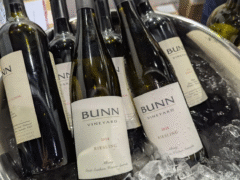
Bunn Vineyard: preservative-free wine grown at Redmond, WA

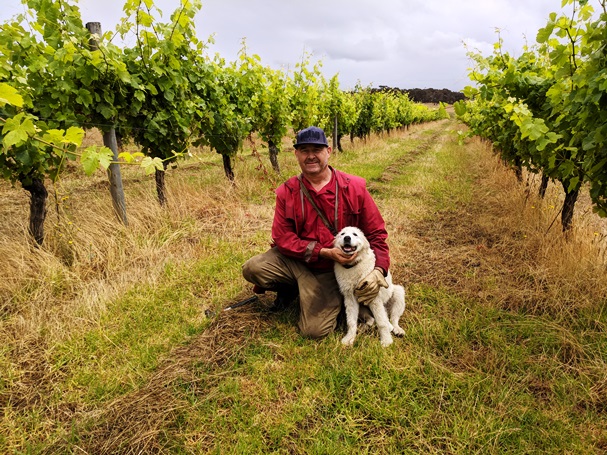
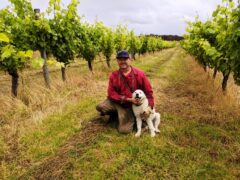
We are a family vineyard in Redmond, on Redmond-Hay River Road in Western Australia’s Great Southern, south of Mount Barker. We make natural wines: preservative free, dry grown, and nurtured from living soil to wine. Irene and Richard Bunn came out to Albany from Shrewsbury in the United Kingdom in the late 1960s, bringing with them a family habit of farming by natural methods with an eye on environmental responsibility. The vineyard grew out of that, and it is still how the place is run.

Planted in 1997, with a first vintage that sold out

Our Cabernet Sauvignon went into the ground in 1997 and the Shiraz followed in 1998. In 2017 we planted a block of Riesling to add a white wine to the range. The 2003 was our first vintage. It gained a cult-like following and sold out quickly, and since 2006 our wine has been included in the National Australian Slow Food Wine Library at the Melbourne Food and Wine Festival. David McNamara made the wine with us through to the 2008 vintage.

How we farm the vineyard

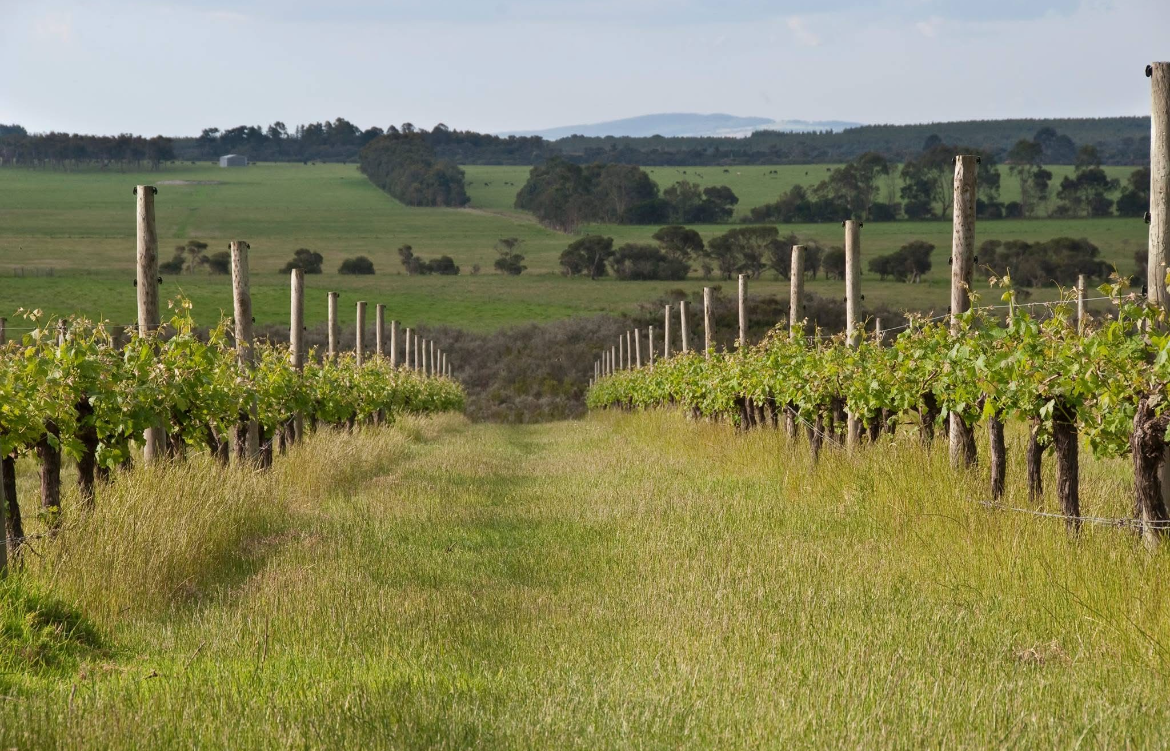
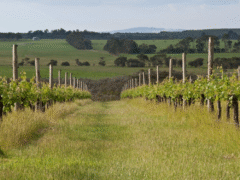
The Shiraz and Cabernet Sauvignon vines are cane pruned and dry grown in rocky laterite soil on north-facing slopes. They are un-irrigated and rely on rainfall only, which keeps yields low and the fruit concentrated. We feed the soil rather than the vine. Biodynamic preparations and natural inputs, including farm-made composts, dolomite, rock phosphate and limestone, promote the vitality of the vines. Soil rich in organic matter sequesters atmospheric carbon dioxide, supports soil biodiversity and increases nutrient retention.

Pest control has feathers. Ducks, chickens and guinea fowl roam the vineyard, converting snails, grubs and beetles into plant-available nutrients. Because the vineyard is farmed this way, there is no leaching of chemicals into groundwater or waterways.

In the winery: no additions, at any stage

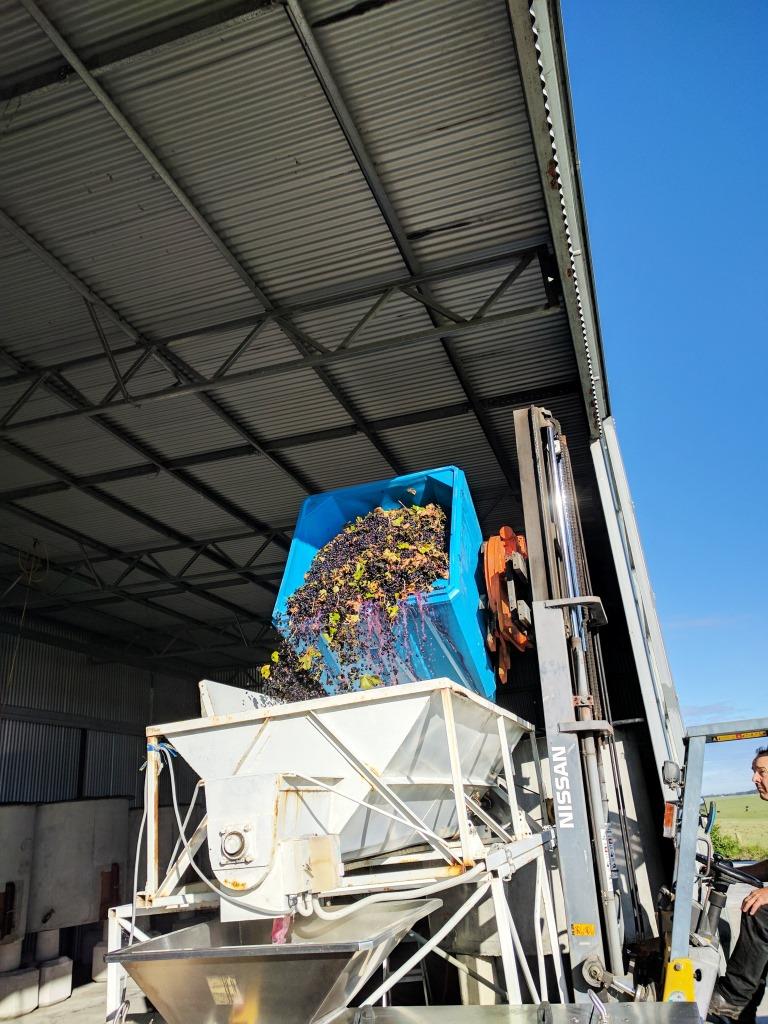
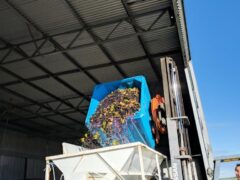
Fruit is de-stemmed and crushed into small open beeswax-lined fermenters. No additions of any kind are made at this, or any other stage. Fermentation begins spontaneously from wild yeast rather than from a packet, which is slower and less predictable but is the point of the exercise. The skins are basket pressed, and the wine goes into French oak barriques with a small percentage of American oak, about 10 per cent of it new each year.

The wine is not fined or filtered, and no sulphur dioxide is added. We release it ready to drink at about three years of age, which is why the vintages on sale are rarely the most recent ones. Our aim is a wine that is unique, individual, complex, and that truly reflects the terroir it came from.

The wines we make

Our varieties and bottlings

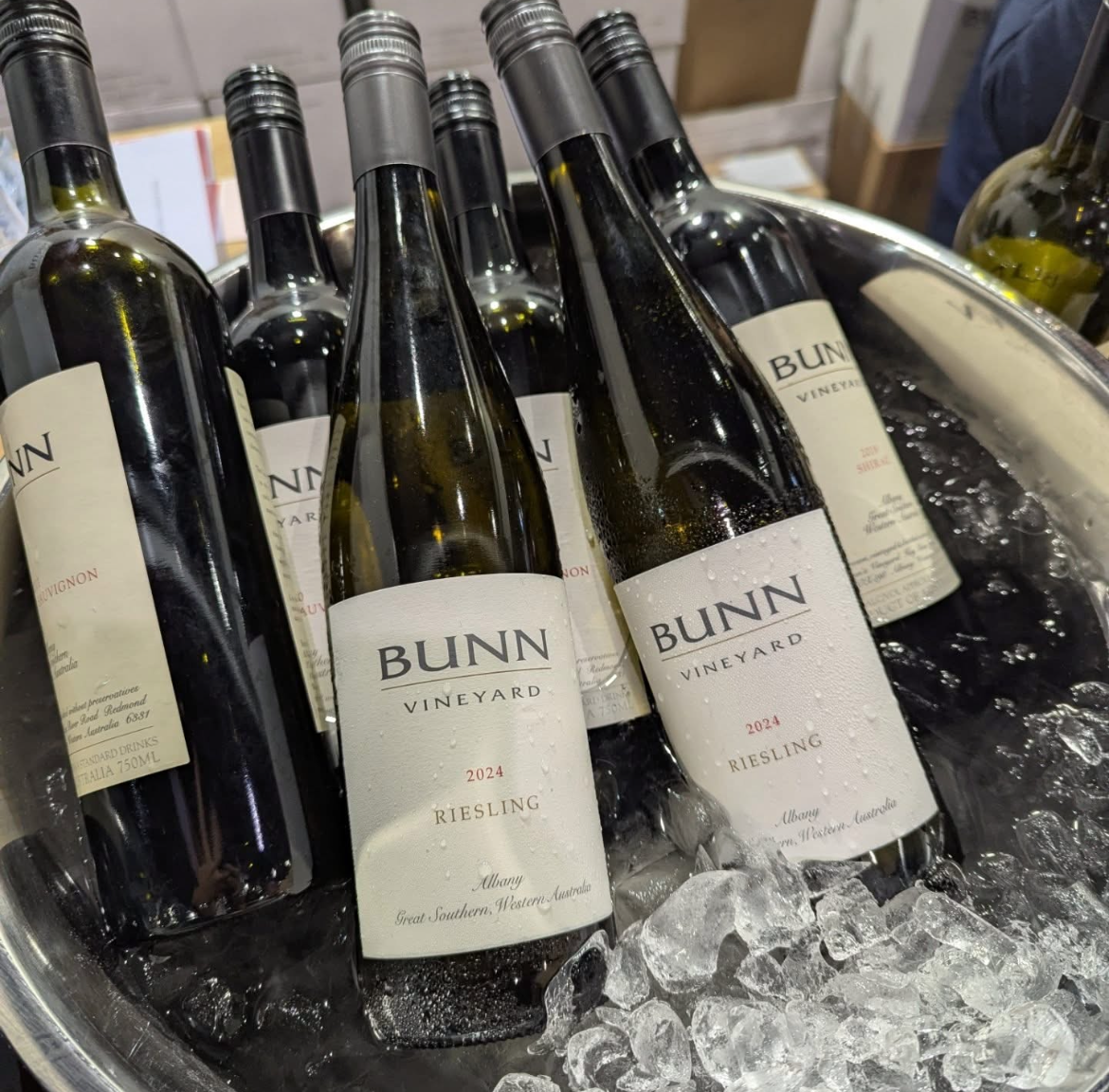
  • Riesling: the newest part of the vineyard, planted in 2017 when we wanted a white in the range. The 2024 is the current release.
  • Shiraz: planted in 1998, cane pruned and dry grown on the same laterite slopes as the Cabernet. Recent releases include the 2020 and the 2019.
  • Cabernet Sauvignon: our oldest planting, from 1997. The 2020 is the current red release, and older bottles such as the 2011 come out of the shop from time to time.
  • Reserve bottlings: the range is not only the three varieties. The 2016 vintage included a Reserve Cabernet Sauvignon and a Reserve Shiraz.

The vintage diary

We keep a vintage diary on the website, with our own notes on each vintage as it comes through. We write it with the intention of celebrating the seasonal variations on the theme of these single vineyard, varietal wines, and we avoid subjective descriptors where we can. The alcohol percentage is given purely as a guide to the ripeness of the vintage. We are also keeping a substantial museum stock of each vintage, in order to monitor progress.

Because the vineyard is dry grown, the season shows up in the wine. 2017 was a cooler than usual season with steady ripening conditions, and it made a lower than usual alcohol wine at 13.1 per cent off a larger crop. 2013 was a cooler than average year in the Great Southern. The picking dates move with the season too: the 2014 Cabernet came off on 4 April and the 2014 Shiraz on 14 April, while the 2013 Shiraz was picked on 6 April. Fruit goes into small fermenters and is plunged two or three times a day for five days before it is transferred to mature in oak barrels.

Two practical notes from the diary, because a preservative-free unfiltered wine behaves a little differently from what you may be used to. We taste the wines without decanting, as they do not normally require aeration, though some have thrown a loose crust and should be handled gently. And while we release at about three years, some vintages keep going well beyond that: we wrote of the 2013 Shiraz that it was released late in 2015 but will gain from cellaring for ten years or more.

Buying our wine

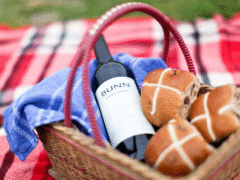
Wine is sold through the shop on our website at bunnwine.com.au, with the current releases and the occasional older bottle listed there. For orders, questions about a vintage, or anything else, call us on 0438 963 938 or email [email protected]. Post reaches us at PO Box 598, Albany WA 6331, and we put pictures from the vineyard on Instagram at bunnwine.

Location
220 Redmond-Hay River Rd, Redmond, Western Australia 6327, Australia
Phone Number
Customer Reviews (0)